Looking to Hire a Reliable Maternity Nanny in Dubai?
Connect with Malaak Today!
Looking for Experienced and Professional Childcare
for your little one?
Looking to Hire a
Reliable Maternity Nanny in Dubai?
Connect with Malaak Today!
Looking for Experienced and Professional Childcare for your little one?

Looking to Hire a
Reliable Maternity Nanny in Dubai?
Connect with Malaak Today!
Looking for Experienced and Professional Childcare for your little one?
Featured In






Who We Are
Who We Are
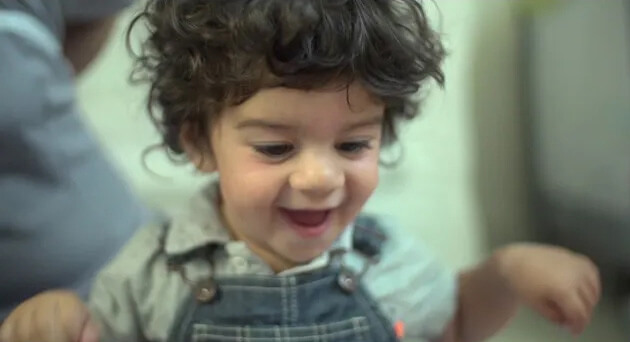
Malaak Mama & Baby Care is a one-stop shop for expecting families with services catered to every stage throughout their parenting journey.
Malaak offers prenatal classes, sleep and feeding workshops, baby massage, parenting workshops, professional maternity nurses, qualified babysitters, night nannies and experienced sleep trainers to provide our UAE families peace of mind and a good night’s sleep. We pride ourselves on our team of the highest standard quality individuals who are honest, responsible and have a passion for everything baby!
OUR SERVICES
Supporting Families throughout their Parenting Journey

















Our Classes
Baby Center Classes
& Workshop
Our Classes
Baby Center Classes
& Workshop
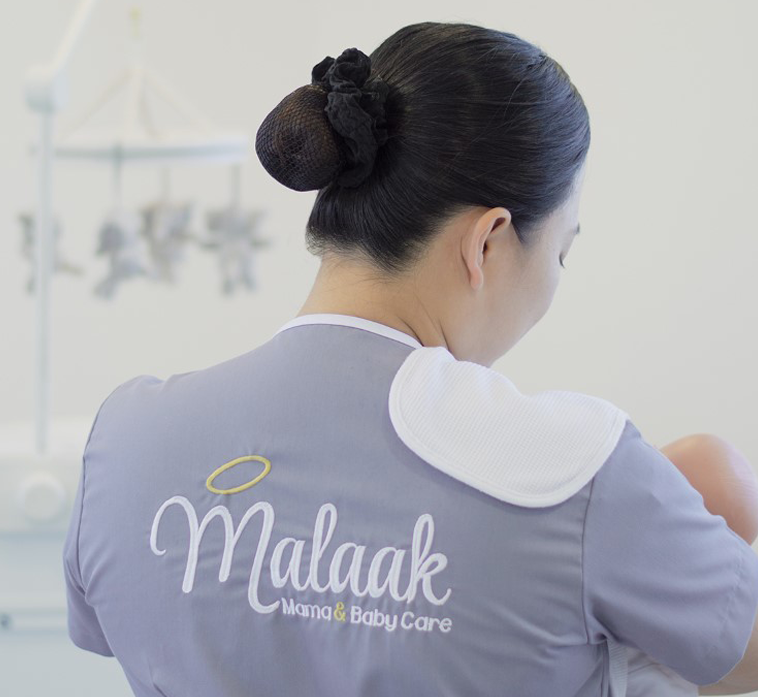
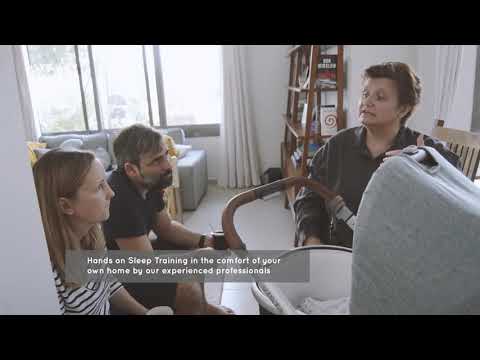
Parenthood is a journey. We think you deserve the best possible start. And where better than our Malaak Baby Center where we provide everything from prenatal classes and hypno-birthing workshops all the way to post-natal sleep support, sleep training consultations and breastfeeding expertise. We also provide a number of exciting classes for you and your little ones including baby massage, baby stimulation and many more, offering you a great chance to meet with other mommies and share your learning journey as a parent!
We are a team of passionate midwives, public health professionals, healthcare advocates and educators, dedicated to empowering families and communities through a combination of tradition and innovation. Our goal is to support your family through this wonderful journey and build your confidence to ensure a safe and happy family.
For information related to your baby’s sleep, breastfeeding, prenatal support and any general post-natal queries our team of experts are here to support you and your loved ones!
ARTICLES
Expert Tips

































TESTIMONIALS
Check out why our Families love Malaak!
Maya is doing amazing! Thanks to Cecile, we are 100% breast feeding and I have been able to bond with her on such a deeper level without the guilt of thinking my body wasn’t doing something right for her. She is sleeping better and no longer cries for hours in the evening because of gas build up. You have totally changed my relationship with my daughter, enabled us to sleep better and in turn aided my connection with my husband. Thank you endlessly.

Naomi Thompson
In just a few days the childcare professional settled in perfectly with our family and achieved fantastic progress with my little baby Nathan who has really taken to her. She has also given me oxygen to breathe and I am now happier and more functional. No other help has achieved this with my family so far. Thank you so much.
Gabriella
I would like to congratulate you and your team. This is beyond what you get in London-I wasn’t expecting to have a better maternity childcare professional than in London. So I have one word to say, BRAVO! My childcare professional was amazing and knew her job perfectly.
Khadija
This was our first holiday with our daughter who was 10months at the time. I had never left her with anyone other than family and never in the evening previously so it was a big change for all of us. Malaak, upon my first point of contact made me feel so at ease, understanding my situation, relating to me instantly and really made me feel like they understood how challenging parenting vs having ‘you time’ is. The booking, fees and scheduling was amazingly easy and there was always someone on hand to help, it was personalised, professional care that made our family feel very comfy. When meeting our childcare professional, it was immediately obvious that she was a mum and had bags of experience, she was so supportive and helped so much without ever feeling overbearing or in the way. She was so caring with our daughter and really seemed to invest in her needs as if she were part of her family, it really was an amazing experience and we will definitely be booking again. Personal, caring & put families at the heart of everything, loved it!
Kate
I am so glad we got to meet and you got to give me the confidence that our little princess can sleep through the night. You gave me just the right strength to believe in her and me. Its a hard job to be a mum of a baby that wakes up so many times a night. Just the boost and emotional support I needed. Thank you so much for your help. I am glad i have called Malaak in a time where it was essential for our family’s well being to get help. The sleep deprivation was getting to us lol. The childcare professional was amazing, very kind, patient and very professional. It was very hard for me to let someone else deal with my baby but she just knew exactly what to do. My mind was at peace leaving C with her. Thank you again and hope i won’t be needing your services again (hihi in a good way of course).
Dalia
My Malaak childcare professional made the first four months of my daughter’s life a pure joy for both of us. She is a professional and caring childcare professional with a positive energy and great attitude. She’s an expert sleep trainer too. My daughter was sleeping through the night by six weeks. We cannot thank her enough for all her help – she will be missed!
Zein
“I would like to thank you for the prompt support you provided inspite of my last minute call. I would also would like to thank the wonderful babysitters for everything. You made my travel less stressful knowing that my baby is in good hands.”
Marwa
The childcare professional was wonderful. We absolutely adore her! All that keeps going through my mind is GOD BLESS MALAAK for existing at this superb level of service and professionalism. Thank you!
Rehab
We very much enjoyed our antenatal classes with Cecile. She was very knowledgeable and really helped eased our concerns in relation to the birth of our first baby. We would definitely recommend Malaak to other expectant parents in the UAE and hope to use the other services they offer in the future, once baby arrives

Victoria & Dorian Reece
I don’t how I managed it all before. Thank you for all the support, I love how involved Malaak is with the clients, it feels good to be able to share my struggles.
Beena
“Our family is so grateful for the comforting and expert care provided to our beloved father. Thank you for all your help!” – A. Khalid, Dubai
A. Khalid
Awards


our team
Meet The Professionals


Looking to Hire a Reliable Nanny in Dubai?
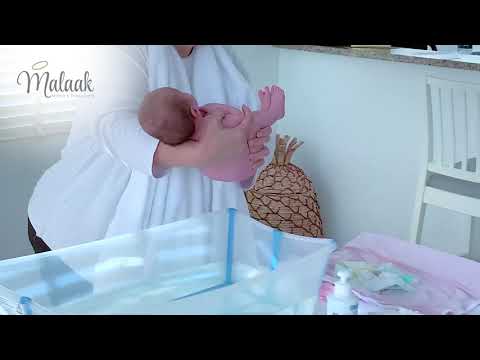
Malaak’s team of childcare professionals are trained with the latest child care knowledge. Our professional Dubai nannies provide a number of services, including maternity care for newborn babies, sleep and feeding support, sterilizing bottles and babysitting for your child with the highest levels of quality and care.
Trusted Nanny Agency For Finding A Part Time Nanny In Abu Dhabi & Dubai
Malaak is a newborn baby care and part time nanny agency in Dubai with a full team of childcare professionals who specialise in helping parents learn and apply the essentials of newborn care and early childhood education and development. With our top-notch professional maternity and live out nanny services, Dubai residents can have the peace of mind that their children are in good hands. Whether you need the services of a day or night professional or a few hours of babysitting, you can be assured that all our experienced staff have been compared to leading British nannies in Dubai and London. If you need the support of our expert childcare professionals to look after your newborn or your toddler, Malaak is just a phone call away!
As such, we provide:
- Maternity nurses in Dubai
- Antenatal classes in Dubai & Abu Dhabi
- Part time babysitters
- Breast feeding support training
- Hypnobirthing classes in Dubai
- Baby massage services
- Baby sensory
Your Search For Trusted Nannies in Abu Dhabi & Dubai Has Come To An End!
Our newborn care and nanny services in Abu Dhabi and Dubai include 10- to 12-hour babysitting and newborn baby care services for busy parents and families that want to give their little ones the highest standard of care. Expecting parents can rely on our nannies to provide general care, safety advice, hygiene, feeding and maternity nurse weaning support. They can also implement baby sleep routines to ensure a long-term solid sleeping pattern for your children.
Acquire Professional Part Time Nanny Services In Abu Dhabi From Malaak!
Are you a working mom? Do you need a part time nanny in Dubai for a night off? Our complete, full-day babysitting service allows parents, or those looking for temporary childcare solutions, to focus on their career knowing their loved ones are being cared for in the best possible way. With highest level of training for our team of live out nannies or babysitters, parents can rest easy knowing that our team are properly equipped with the knowledge and skills to provide quality care.
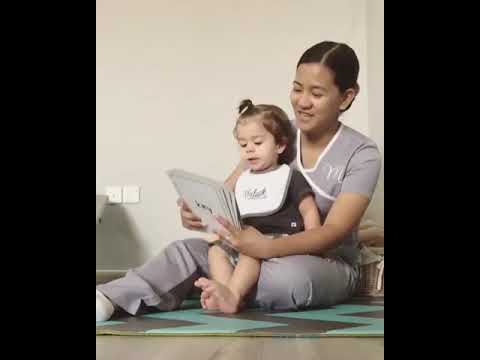
We provide both newborn care and babysitting services. Our Childcare Professionals are allocated to families based on communicated requirements. We take pride in our team of highly qualified and experienced professionals who are honest, dependable, and passionate in caring for babies and children.
Nanny Services Dubai
At Malaak, we understand that finding the right person to look after your child is important. That’s why our team includes experienced and qualified, well-trained maternity nannies in Dubai who can provide the best care for your little ones.
Our team is dedicated to delivering reliable, quality service with passion. We guarantee a safe, secure, loving, and stimulating environment for all children in our care. Our team of nannies in UAE are highly experienced in caring for babies and young children and offering professional support to new parents.
Whether you’re looking for full-time or part-time care from a super nanny in UAE, our team of experts can provide the ideal care package tailored to your needs. From baby massage, parenting workshops, and hypnobirthing classes to professional maternity nurses, qualified babysitters, night nannies, and experienced sleep trainers, Malaak ensures your family gets the best possible help and support when you need it most.
With Malaak, families across Abu Dhabi & Dubai can rest easy knowing that our dedicated team of professionals is lovingly looking after their children, thereby giving them peace of mind and the freedom to focus on their work, social life, or family commitments.
Are you looking for a British Nanny Dubai?
British nannies are world-renowned for their exceptional childcare skills and ability to provide a nurturing environment for young children. They are highly trained professionals who can help parents navigate the challenges of raising a child, from infancy through early childhood. As experts in child development, nutrition, and early education, British nanny Dubai is able to provide a wide range of services that help ensure the health and wellbeing of children.
Whether it is feeding, bathing, playing, or providing educational activities, a British nanny Dubai can provide the support that families need to thrive. From London to Dubai to New York, parents rely on the expertise of British nannies to provide top-notch care for their children. Contact us today to learn more about how a British nanny can help care for your young baby or child.
Live Out Nanny Dubai
Malaak provides expert Live Out Nanny services in Dubai, ensuring families receive reliable and professional childcare tailored to their needs. Our highly trained nannies commute to your home, offering personalized care throughout the day without the need for live-in arrangements. With Malaak’s Live Out Nanny Dubai services, you can enjoy both flexibility and peace of mind while your children receive the best care.
