Introducing Bottle-Feedings to Your Breastfed Baby
As a new parent, you have many important decisions to make. One is to choose whether to breastfeed your baby or bottle feed using infant formula. Breastfeeding has a range of benefits and health experts agree that breastfeeding is the healthiest option for both mama and baby. They recommend that babies feed only on breast milk for the first 6 months, and then continue to have breastmilk as a main part of their diet until they are at least 1 to 2 years old. That being said, there are situations when it is just not feasible to breastfeed or you choose not to breastfeed your little one. After all, how to feed your baby is a very personal decision that only you can decide what is best for you and your family.
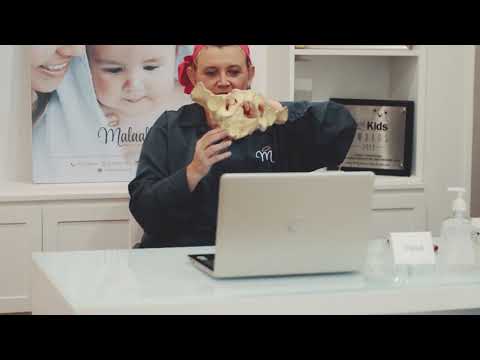
So if breastfeeding is not an option or you prefer to bottle feed your little one or you decided that you are ready for the transition from breastfeeding to bottle feeding, our IBCLC Lactation Consultant, Janice Bustamante provides us with some tips to make the process easier.
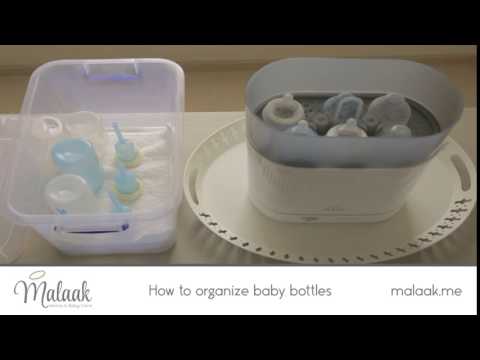
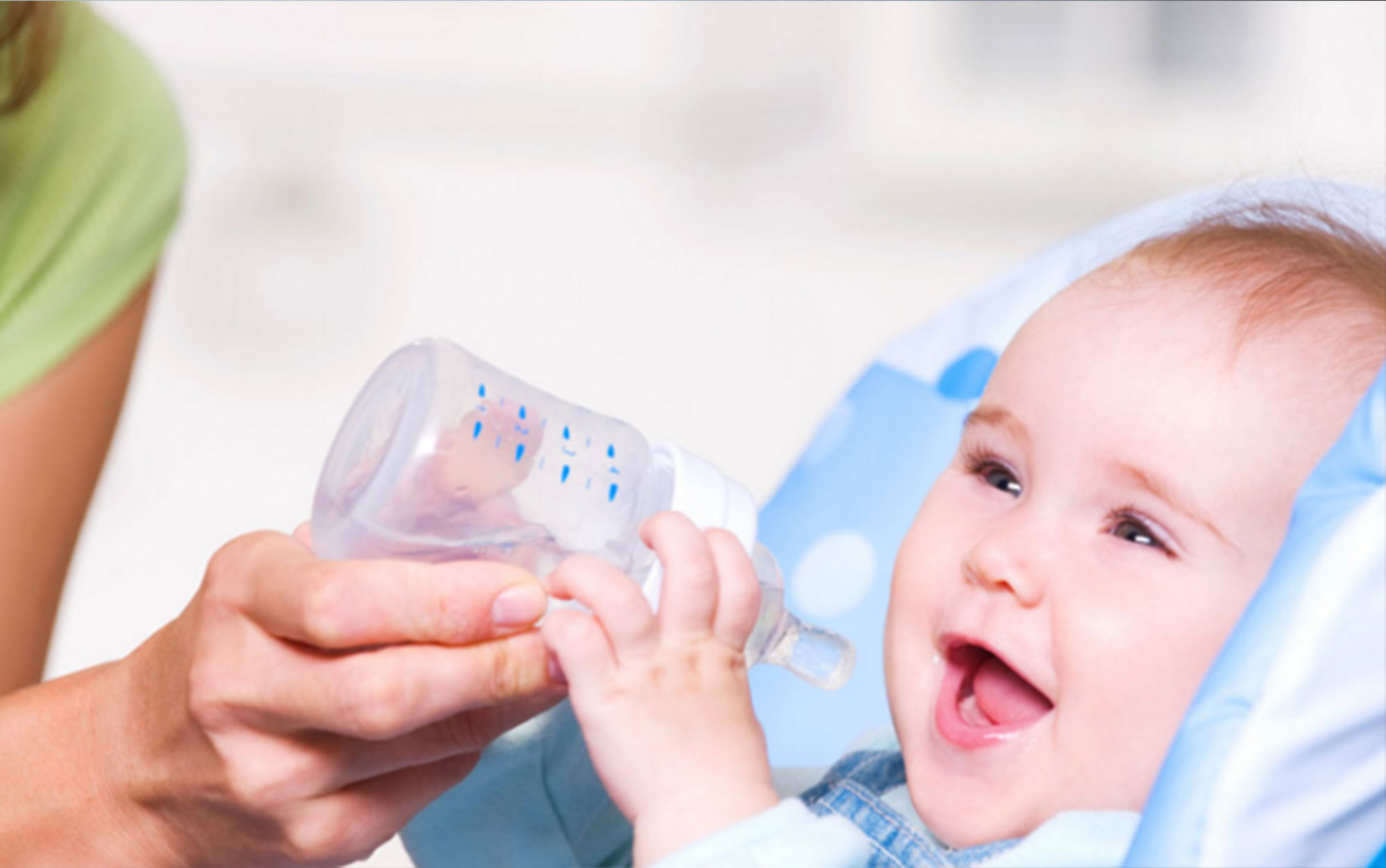
- Get the Right Bottle and Nipple. Choosing the right bottle and nipple for your baby is crucial. There are many different options available on the market, so it’s important to choose one that not only works well for your baby but also suits your needs. A good bottle shouldn’t leak, be easy to clean, and make your baby feel as comfortable as possible. A nipple that can mimic the feel and flow of breastfeeding will help make the transition from breast to bottle smoother.
- Introduce One Bottle at a Time. Don’t be in a hurry to stop breastfeeding altogether. Instead, introduce one bottle at a time and see how your baby responds. Janice suggests that babies often do better if they have one or two bottles in a day while still having their regular breastfeeding sessions so you are going back and forth between breast and bottle. You can start with small amounts of expressed breast milk or infant formula, and slowly increase the amount of formula over a few days. Make sure to watch for signs that your baby is hungry or full, so you will be able to adjust accordingly.
- Be Prepared for Resistance. It’s not uncommon for babies to resist bottle feeding initially. They may be used to the comfort of breastfeeding and the feeling of being held close to their mother. Some babies also find it difficult to adapt to the new sensation of bottle nipples. It’s not the end of the world, and the best way to deal with resistance is through patience and persistence. Try using a soothing tone of voice or a pacifier to make your baby more comfortable during the feeding process.
- Create a Comfortable Feeding Environment. When transitioning from breastfeeding to bottle feeding, it’s also important to create a comfortable feeding environment. Find a quiet spot and hold your baby close to your chest, just like you would when breastfeeding. Your baby may find the act of feeding new and strange at first, but the comforting feeling of being close to you can make all the difference.
Still struggling? Reach out to our team of experts who can guide you through this transition and ensure the right feeding transition and schedule that suits you and your baby.
For more information, email workshops@malaak.me.
Most Popular

Doing It All: Lily Kandalaft, Founder Of Malaak Mama And Baby Care
Lily Kandalaft, founder of Malaak. "It was 'mom guilt' that inspired me....
Introducing Bottle-Feedings to Your Breastfed Baby
https://youtu.be/AMWuY1n9dCU As a new parent, you have many important decisions to make.....

Does the working mama balance exist?
Being a mama is a full-time job. Having a job is challenging.....

Baby Blues or Postpartum Depression?
Becoming a new Mama is always a joyous occasion, but the excitement....

The Bottom Line on Sleep Training
Does your baby need to be rocked to sleep by you or....

How much milk does a newborn need in the first few days?
Each baby has different feeding requirements. As the days go by, your....

How can I get my baby to sleep through the night?
Encourage your baby to eat her full meals during the day. Make....

When can my baby start using a pacifier?
If you are breastfeeding, it is advisable to hold off using pacifiers....

When should I give my baby the first bath?
Usually your baby won’t be given a bath straight after she’s born....

How much formula does my baby need?
If your baby isn’t eating solids yet, there’s a rough guide that....
Until your baby is around 6 months old they will get adequate....

How often should you give your baby a bath?
It is really up to you on how often you would like....

Breast pumping will help you share the feeding duties to allow more....

Why does my baby cry all the time?
Your baby may be crying due to the following reasons: He is....

When can my baby start solid food?
You can introduce solids anytime between 4 and 6 months if your....

Breastfeeding is painful! What can I do?
There are a number of reasons for painful feeding. These include swollen....

What is the best sleep routine to use?
When your baby is six weeks old, she may be ready to....

How can I increase my milk supply?
There are a number of ways you can help increase your milk....

How long do I have to breastfeed my baby?
If possible, try to give your baby nothing but breast milk until....
What can I do to help my colicky baby?
Doctors define colic as 3 or more hours a day of continued....

What can I do to prevent SIDS?
Although it still unclear what actually causes sudden infant death syndrome (SIDS)....